Essential Hardware Solutions for a Robust Marine Industry
The marine industry involves unique equipment that’ll be used in extremely testing conditions such as high pressure with consistent exposure to marine environments and saltwater. High-quality and proper heavy-duty structures and components are critical for the protection, and efficiency of marine structures, boats, and docks, and their durability. This guide describes the key types of supplies used in the marine market which offers durability and reliability for applications.
Understanding Industrial Marine Hardware
From securing large vessels to outfitting docks and platforms, industrial marine hardware plays a crucial role in the functionality and safety of marine operations. Components such as cleats, chains, pulleys, and shackles are not only designed to endure challenging conditions but also to support smooth and efficient daily operations. Choosing the right hardware for your needs is essential, as each component contributes to the stability and performance of marine equipment.
Key Types of Marine Hardware Solutions
1. Mooring and Anchoring Systems
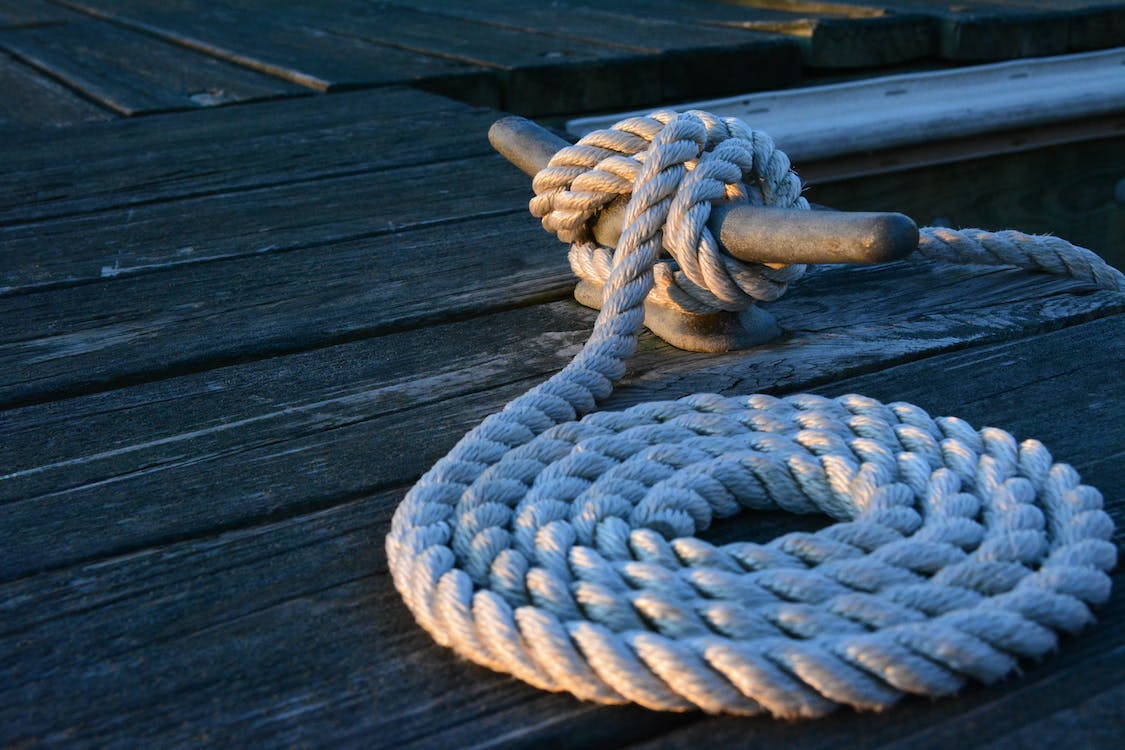
These tend to be one of the most important for vessels as they help to secure the ships during transit and at a berth particularly when the weather condition is not favourable. SOSH includes elements such as anchor chains, cleats as well as bollards that aid in conforming a safety hold. Machined mainly from stainless steel and galvanized metals, mooring hardware products are designed not to corrode and be durable in salty environments. Well-maintained mooring systems minimize vessel drifting which results in the avoidance of possible collisions and grounding.
2. Marine Fasteners
Marine fasteners are particularly specific screws, nuts, and bolts that are designed to withstand the ravages of being in marine circumstances. They are usually applied in both above-water and underwater constructions to offer secure attachment points. Marine materials such as stainless steel and titanium fasteners are appropriate for the designing process due to the hardness and the anti-corrosive nature of the materials. This means cleaning and replacing fasteners are vital yardsticks for maintaining the health of the vessel and avoiding big costs for repairs.
3. Hinges and Latches
Marine hinges and latches are required where boat or ship hatches, doors, or other compartments have to be locked or sealed. They need to be able to sustain extremely high humidity, salt fog, as well as continuous vibration. The actual hinges and latches, needed for use in wet marine environments should be constructed from rugged materials such as stainless steel, aluminum, or bronze. These items are made to run efficiently and for several years, all this coupled with some of the harsh maritime weather conditions.
4. Ropes, Chains, and Rigging
Towing hooks, cables, hawser, and other types of riggings are useful when it comes to operations that involve lifting, docking, and most importantly the tethering of loads. Ship ropes and chains are usually exposed to mechanical tension and pressure arising from weight and pressure underneath the water body among other things. Synthetic rope of nylon or polypropylene is common among all kinds of ropes due to its flexibility, high tensile strength, as well as buoyancy. Like any other areas of loading and unloading procedures, chains and rigging must be constructed of high-tensile materials to guarantee stability and security.
5. Fenders and Bumpers
The fencers and bumpers are used to shield boats and ships from any physical impacts while docking and other accidental contacts afloat. As are of particular significance when it comes to protection from scratch, dent, and other physical impacts involving both vessels and docks. A marine fender is commonly made from rubber, foam, or vinyl available in various forms to fit specific types of boats and the particular docking requirement. Fender has some essential functions to perform when it is in ports and marinas, so it is crucial to perform frequent inspections and maintenance to retain its performance in the best manner possible.
Importance of Regular Maintenance for Marine Hardware
All kinds of marine fixtures require regular maintenance. Abrasiveness of some components may change over time and result in malfunction and hence breakdowns should be reduced through routine checks and replacing worn-out parts frequently. Marine-specific lubricants and regular salt removal help to maintain important parts in the best working order for years.
Conclusion
Quality industrial marine hardware is an essential tool that is needed to carry out the work effectively, safely, and for the expected lifespan in the marine environment. Through proper specification of durable and anti-corrosive marinal materials, mooring and rigging equipment as well as fastening solutions, marine professionals can be confident of their equipment’s performance under difficult conditions. This means that durable marine hardware is a worthwhile investment because it reduces operation time, and improves safety for the marine business.