Did You Know Steamboats Were Early American Pop Culture Machines?
Long before movies, television, or radio connected audiences across the country, steamboats were already creating shared entertainment experiences. They transported passengers and cargo, but they also carried musicians, actors, merchants, and stories from one town to the next. Along America's rivers, these paddlewheel vessels became symbols of excitement, progress, and possibility that captured the public's imagination. Their influence reached far beyond transportation. Steamboats inspired bestselling books, newspaper headlines, famous races, stage productions, cartoons, and even some of the most recognizable images in American entertainment. They helped shape how people viewed the frontier and became lasting symbols of adventure, ambition, and national identity. Their cultural legacy continues to appear in festivals, museums, literature, and popular media more than a century after their commercial heyday.
Why Steamboats Captured the American Imagination
When steam-powered boats first appeared on America's rivers, they seemed almost unbelievable. For generations, traveling upstream had been slow, expensive, and physically demanding. Suddenly, people watched enormous vessels move against the current with remarkable speed, carrying passengers and freight farther than ever before. Crowds gathered along riverbanks simply to witness these mechanical marvels in action, treating their arrivals almost like public events. The excitement surrounding steamboats quickly spread through newspapers, illustrations, songs, and personal stories. Historian James Thomas Flexner famously described them as America's first "world-shaking invention," reflecting just how revolutionary they appeared during the early nineteenth century. Their towering smokestacks, spinning paddle wheels, elegant passenger decks, and dramatic whistles became instantly recognizable images associated with progress and exploration. Steamboats also represented something larger than transportation. They symbolized the expanding frontier, economic opportunity, and the optimism of a rapidly growing nation. Long after railroads replaced them as the dominant form of travel, their distinctive appearance continued to appear in advertising, artwork, literature, and entertainment, helping cement their place within American popular culture.
The Inventors Who Made Steamboats Possible
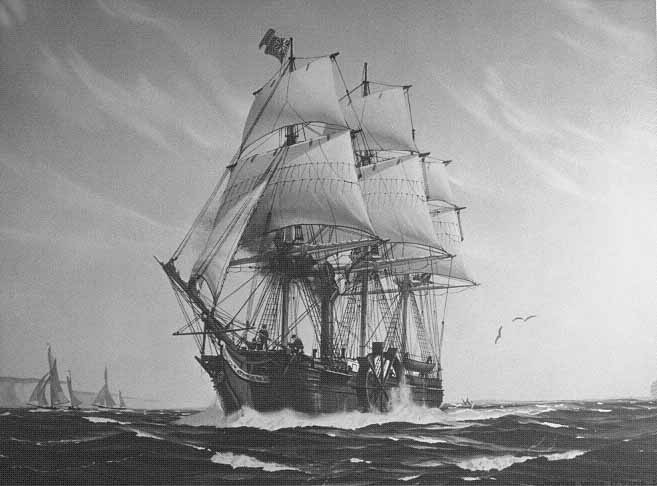
Behind every famous riverboat stood inventors whose persistence transformed an ambitious idea into reality. John Fitch demonstrated one of the earliest successful steam-powered vessels in 1787, proving that boats could move independently of wind or muscle power. Although his commercial ventures struggled financially, his experiments showed that steam navigation was practical and inspired others to continue improving the technology. Robert Fulton eventually turned that promise into a thriving business. His steamboat Clermont, launched in 1807, carried paying passengers between New York City and Albany on a dependable schedule. Newspapers covered its successful voyages with enormous enthusiasm, and the public followed reports of steam-powered travel much like later generations would follow groundbreaking automobiles, airplanes, or space missions. Their achievements reached beyond engineering. Successful steamboats inspired books, newspaper illustrations, public demonstrations, and conversations across the country. Technological innovation became a form of entertainment, and inventors gained public recognition for changing everyday life. In many ways, they helped establish the idea that major inventions could become cultural events as well as practical achievements.
Showboats, Packet Boats, and Golden Age River Travel
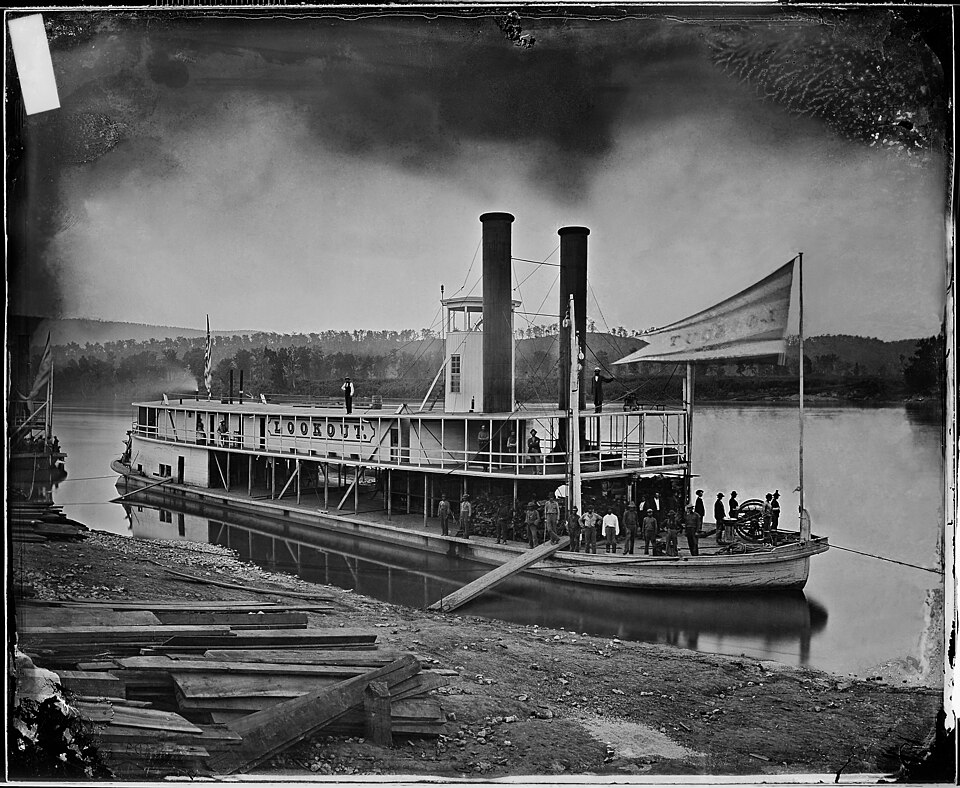
As steamboat travel expanded, different types of riverboats developed to serve different audiences. Packet boats carried passengers, mail, and freight along regular routes, helping connect growing communities throughout the Mississippi and Ohio River valleys. Comfortable cabins, elegant dining rooms, and observation decks made these journeys appealing to travelers seeking both convenience and adventure. Showboats created an entirely different experience. Floating theaters traveled from town to town bringing actors, musicians, comedians, magicians, dancers, and theatrical productions to communities that rarely had permanent entertainment venues. Families gathered at riverbanks whenever a showboat arrived, eager to experience performances that might otherwise never reach their hometowns. The popularity of showboats later inspired one of America's most celebrated stage productions. Show Boat, the groundbreaking 1927 Broadway musical by Jerome Kern and Oscar Hammerstein II, used riverboat entertainment as the backdrop for its story and later became a successful Hollywood film. Through both theater and cinema, the image of the showboat became permanently linked with American entertainment history, extending its cultural influence well beyond the rivers themselves.
Steamboat Races: America's First Spectator Sport
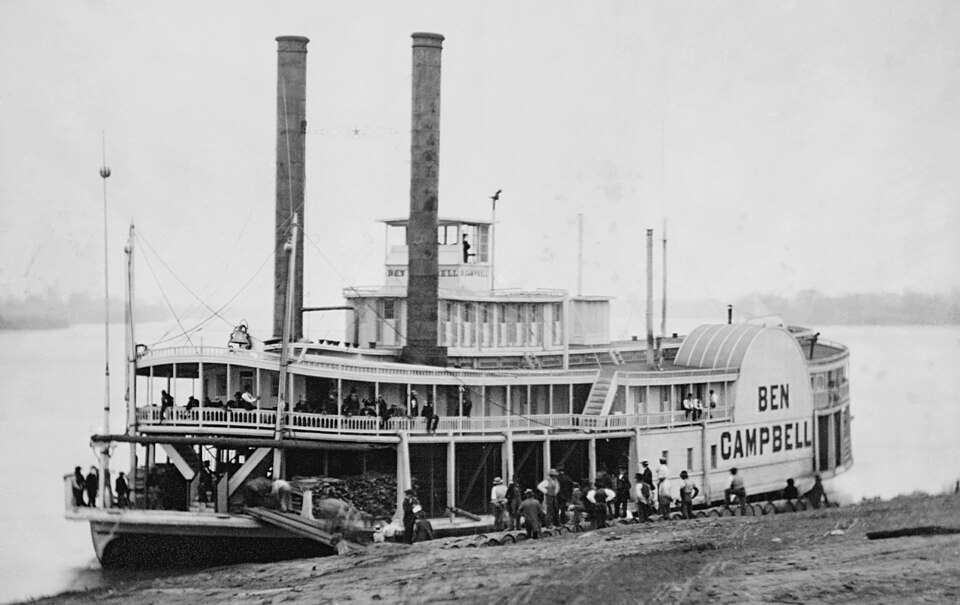
Steamboat races quickly became some of the most anticipated public spectacles of the nineteenth century. Whenever rival captains challenged one another, thousands of spectators lined riverbanks, crowded docks, and watched from nearby hillsides hoping to witness history. The growing fascination with steamboat captains as early influencers reflected how these respected pilots attracted loyal followers, shaped public opinion, and became celebrities long before professional athletes or movie stars dominated popular culture. Friendly rivalries often grew into regional pride. Entire communities celebrated their favorite vessels, and betting on race outcomes became widespread. Artists created commemorative prints, newspapers published detailed race accounts, and stories about famous victories spread from town to town. Long before organized professional sports became national entertainment, steamboat races provided excitement that united large audiences around shared events. The pursuit of speed also encouraged technological innovation. Engineers experimented with larger boilers, lighter hulls, and more powerful engines in an effort to outperform competitors. Unfortunately, the same drive for faster travel sometimes encouraged dangerous shortcuts, revealing that the desire for spectacle occasionally came with serious consequences.
How Steamboats Inspired Movies, Cartoons, and Theme Parks
Although commercial steamboats gradually disappeared from everyday transportation, they never disappeared from American entertainment. Filmmakers, animators, and theme park designers continued using paddlewheel boats as symbols of adventure, nostalgia, and frontier life. Their instantly recognizable appearance made them perfect visual shorthand for a romanticized version of nineteenth-century America. Perhaps the most famous example is Steamboat Willie, the 1928 animated short that introduced Mickey Mouse to audiences around the world. Inspired by the imagery of riverboats and the popularity of steam-powered vessels in American storytelling, the cartoon became one of the defining moments in animation history. Even viewers unfamiliar with real steamboats recognized the paddlewheel, whistle, and river setting as unmistakably American. Disney later expanded this connection through attractions such as the Mark Twain Riverboat at Disneyland and Walt Disney World, where visitors continue to experience leisurely river cruises inspired by nineteenth-century paddlewheel travel. These attractions demonstrate how steamboats successfully transitioned from practical transportation into enduring icons of popular entertainment, continuing to delight audiences generations after their commercial era ended.
Explosions and the Dark Side of Steamboat Travel
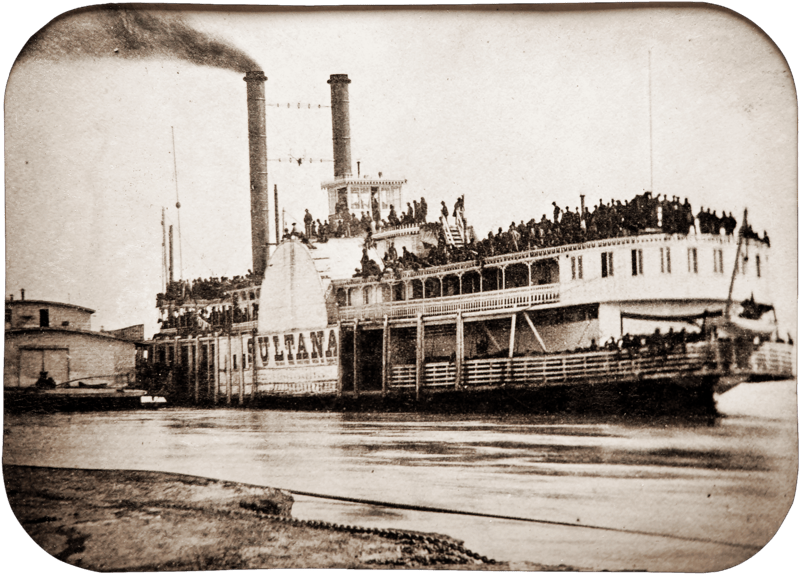
The excitement surrounding steamboats also came with real danger. During the nineteenth century, boiler explosions became one of the greatest hazards of river travel. High-pressure steam engines were powerful but difficult to regulate, and poor maintenance or excessive pressure could cause catastrophic explosions in seconds. Every journey carried an element of risk, especially as competition pushed captains to prioritize speed. Some disasters became national news. Newspapers devoted front pages to tragic accidents, artists created dramatic illustrations for magazines, and eyewitness accounts spread rapidly across the country. Stories of destroyed vessels and heroic rescues became part of American folklore, much like later generations would remember famous shipwrecks or aviation disasters. The tragedies eventually led to meaningful reform. Public pressure encouraged stronger federal safety regulations, improved engineering standards, and stricter inspections that helped reduce accidents. Even so, the dramatic stories surrounding boiler explosions became part of the mythology of river travel, reminding Americans that innovation often carried significant risks alongside remarkable opportunities.
How Mark Twain Turned Steamboats Into American Legend
No writer captured the spirit of river life more completely than Mark Twain. Before becoming one of America's greatest authors, Samuel Clemens worked as a steamboat pilot on the Mississippi River. Those experiences shaped his understanding of the people, landscapes, and adventures that later appeared throughout his writing. Several aspects of Twain's life demonstrate just how deeply steamboats influenced his career:
- He worked as a licensed Mississippi River steamboat pilot.
- His famous pen name, Mark Twain, came from the riverboat call indicating safe water depth.
- His childhood in Hannibal, Missouri inspired The Adventures of Tom Sawyer and Adventures of Huckleberry Finn.
- The death of his brother Henry in a steamboat boiler explosion profoundly affected him for the rest of his life.
- His books transformed everyday river life into enduring works of American literature.
Through Twain's stories, the Mississippi became far more than a river. It became a symbol of freedom, adventure, humor, and personal growth. Readers who had never stepped aboard a paddlewheel boat still felt connected to river life through his unforgettable characters and vivid storytelling, ensuring that steamboats remained firmly rooted in American popular culture.
The Cultural Legacy That Kept Steamboats in the American Imagination
Even after railroads and automobiles replaced riverboats as the nation's primary transportation systems, steamboats remained deeply embedded in American storytelling. Their distinctive silhouette continued appearing in paintings, postcards, advertisements, children's books, and historical illustrations, reminding audiences of an earlier era defined by exploration and expansion. Music also helped preserve their legacy. Folk songs, blues music, and traditional river ballads frequently referenced paddlewheel boats, river pilots, and life along the Mississippi. Countless novels, documentaries, and television programs returned to the river as a setting because it represented adventure, opportunity, and the changing character of the United States. Rather than fading into history, steamboats evolved into cultural symbols. They represented a romantic vision of travel that balanced excitement, danger, and discovery. That symbolism continues to resonate because the riverboat era occupies a unique place in the nation's collective memory.
Why Steamboats Became Symbols of the Mississippi River
It's almost impossible to think about the Mississippi River without picturing a paddlewheel steamboat gliding across its waters. Over time, these vessels became inseparable from the river itself, appearing in artwork, tourism campaigns, postcards, documentaries, and countless history books. Their image came to represent both the natural beauty of the Mississippi and the communities that grew along its banks. Much of that connection developed through literature and music. Mark Twain's novels introduced generations of readers to river life, while blues musicians and folk singers frequently used the Mississippi and its steamboats as powerful symbols of travel, hardship, hope, and change. The river became more than a geographical feature—it became a central character in American storytelling, with steamboats serving as its most recognizable companions. Today, river cruises, museums, and historic landmarks continue reinforcing that relationship. Visitors traveling through cities such as St. Louis, Memphis, and New Orleans often encounter restored riverboats or museums celebrating the era, ensuring that the image of the paddlewheel vessel remains one of the defining icons of the Mississippi River.
Why People Still Celebrate Steamboats Today
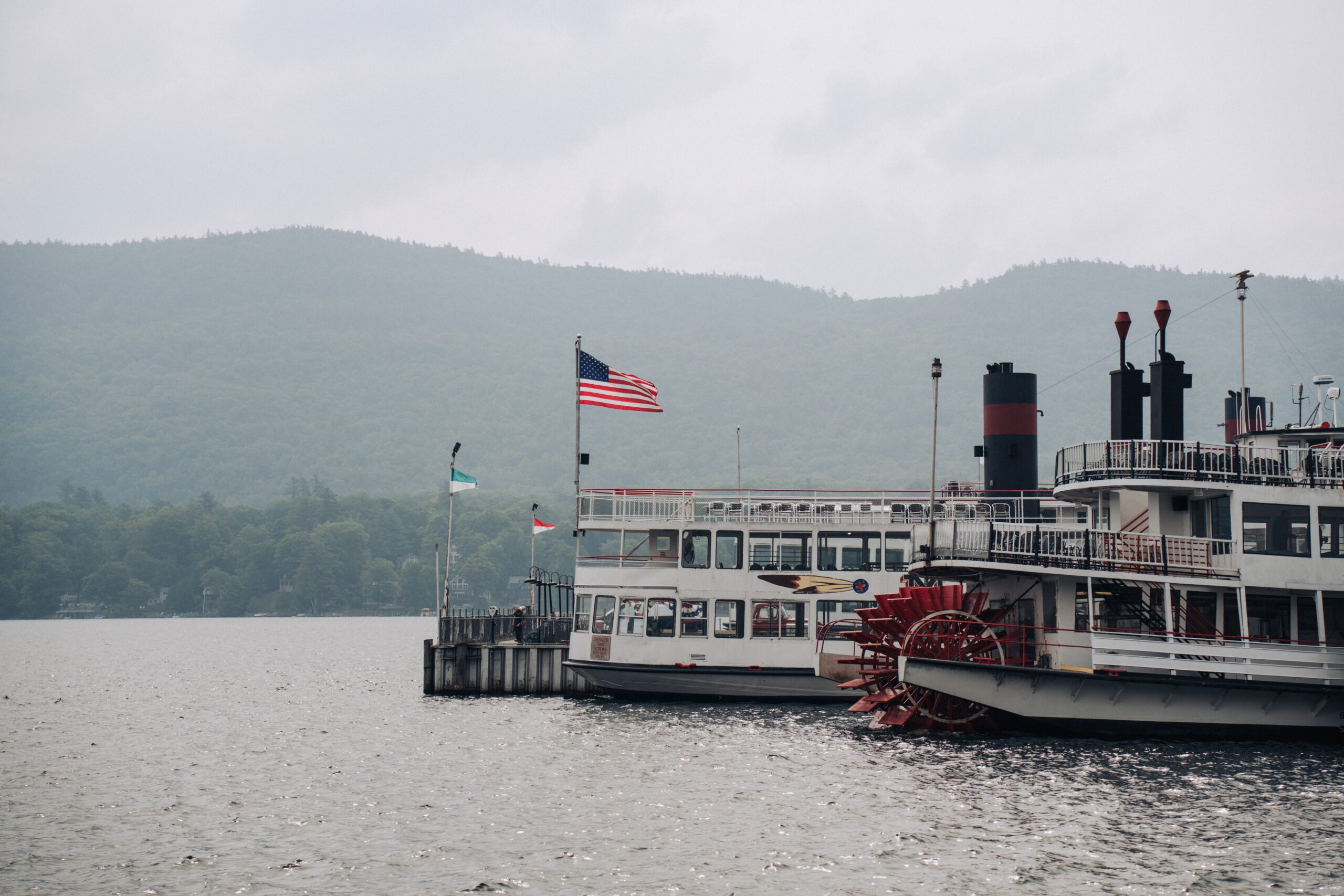
Although commercial steamboat travel largely belongs to history, communities across the United States continue celebrating its legacy through festivals, museums, and living-history events. Annual river festivals feature historical reenactments, educational exhibits, music, and demonstrations that help new generations appreciate how these vessels shaped the country's development. Historic boats themselves remain important attractions. The Belle of Louisville, launched in 1914, continues operating as the oldest active Mississippi River-style steamboat in the world, while the Delta Queen remains one of the best-known paddlewheel vessels associated with classic river travel. These boats allow visitors to experience firsthand what nineteenth-century journeys may have felt like while preserving valuable engineering and cultural history. Museums and preservation organizations also play an important role. By restoring historic riverboats, collecting artifacts, and sharing personal stories from captains, engineers, and passengers, they ensure that the history of steamboat travel remains accessible long after the last commercial routes disappeared. These ongoing preservation efforts demonstrate that fascination with riverboats extends well beyond nostalgia—it reflects an enduring appreciation for one of America's most influential cultural icons.
Conclusion
Steamboats did much more than move people and cargo along America's rivers. They introduced new forms of entertainment, inspired celebrated authors, created some of the nation's earliest spectator events, and became enduring symbols of adventure and innovation. Their influence reached newspapers, theaters, literature, and eventually theme parks, making them one of the earliest technologies to shape American popular culture. Although their commercial dominance faded long ago, their legacy continues wherever people celebrate river history, board historic paddlewheel boats, revisit Steamboat Willie, or read the timeless stories of Mark Twain. More than a transportation breakthrough, steamboats became cultural icons whose influence continues to flow through American storytelling, entertainment, and national identity today.